Corporate Lunch Restaurant Canary Wharf Choices
A corporate lunch restaurant Canary Wharf professionals can rely on has a particular job to do. It must feel considered without becoming formal, serve food with genuine character, and respect the fact that a lunch hour often has a diary waiting on the other side. The best business meals leave colleagues and clients better acquainted, well fed and ready for the afternoon – not watching the clock or settling for another forgettable sandwich.
In a district built around ambitious work, lunch is not merely a break in the day. It is where a new team settles in, a visiting client receives a proper welcome, or a difficult conversation finds a more human setting. Choosing the right table matters.
What makes a corporate lunch work?
The answer is not simply speed, though punctual service is essential. A successful business lunch has a rhythm: guests are greeted warmly, drinks and dishes arrive at a sensible pace, and there is enough time to talk without feeling that the table has been claimed for the whole afternoon.
The room matters too. A restaurant should have life and atmosphere, but not such noise that a six-person meeting becomes a raised-voice exercise. For smaller client lunches, a calm table and attentive service can make an immediate difference. For larger team meals, the priority may be space, flexibility and a menu that gives everyone a clear, enjoyable choice.
Then there is the food itself. Corporate dining does not need to be bland to be broadly appealing. In fact, a distinctive meal often gives people something to discuss beyond spreadsheets, deadlines and train delays. The key is familiar hospitality paired with flavours that are memorable for the right reasons.
Why Tamil food belongs at the business table
South Indian cooking brings generosity, colour and remarkable range to a working lunch. It can be light and bright, deeply spiced and comforting, or built for sharing across the table. That flexibility suits mixed groups, where one guest may want a satisfying vegetarian dish while another is looking for a rich curry with fresh roti.
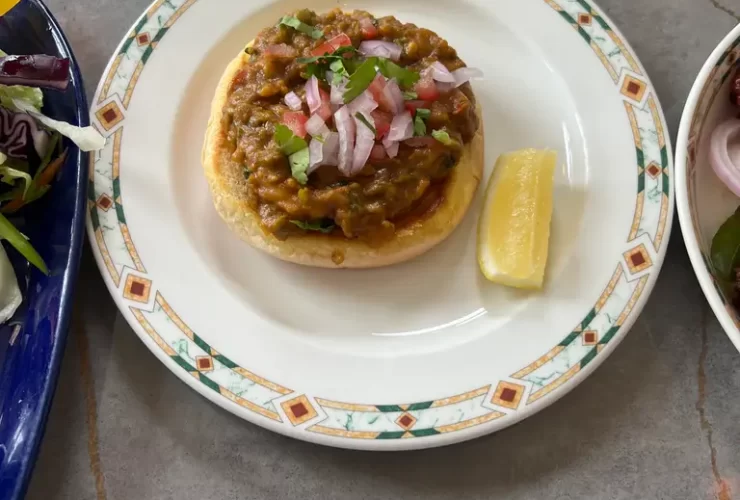
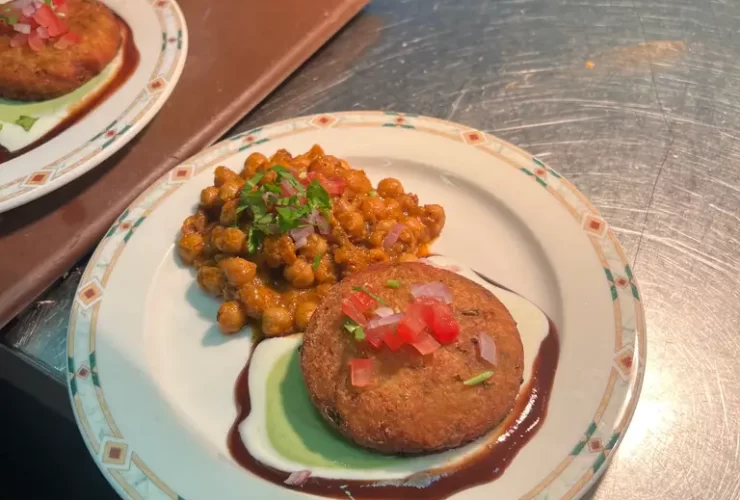
A crisp dosa is particularly well suited to a relaxed lunch: freshly made, full of texture and rooted in a tradition that deserves more attention than it often receives in London’s business-dining scene. Alongside it, aromatic curries, lentil dishes, rice specialities and carefully prepared accompaniments offer choices for different appetites without reducing the meal to a standardised set menu.
For guests unfamiliar with Tamil cuisine, a good restaurant should make the experience welcoming rather than daunting. Knowledgeable staff can guide the table towards dishes that suit the group, explain regional specialities clearly and accommodate preferences without losing the integrity of the cooking. Authenticity is not about making diners prove their knowledge. It is about serving genuine flavour with confidence and care.
That is also why South Indian food works so well for colleagues from different backgrounds. It offers the comfort of recognisable favourites while inviting people to try something more regional and personal. A meal can feel new without being a gamble.
A heritage with real presence
At Grand Cholan, the menu is shaped by the culinary heritage of Tamil kings and the Chola dynasty. This is not history added as decoration. It gives the food a point of view: royal South Indian dining founded on regional recipes, experienced cooking and respect for ingredients.
For a corporate host, that depth gives the invitation more meaning. Rather than simply booking an Indian meal, you are choosing a table with a story, from traditional filter coffee to signature dosas and curries made with a clear sense of place. It is a useful distinction when welcoming overseas visitors, rewarding a team or arranging a lunch that should feel more thoughtful than routine.
Choosing a corporate lunch restaurant in Canary Wharf
Before making a booking, consider the purpose of the meal. A quick lunch between meetings calls for a different approach from a client introduction or quarterly team gathering. There is no single perfect format, but a few practical questions help avoid last-minute compromises.
First, be clear about numbers and timing. A restaurant can prepare far better for a party when it knows whether ten guests need to leave promptly at 1.30pm or whether the table is intended for a more leisurely conversation. If the group is large, ask about a dedicated area or private dining option. It gives the organiser more control and lets guests settle into the occasion.
Next, think about the people at the table. Dietary requirements are common in professional groups, and they deserve attention rather than an awkward afterthought. Indian cuisine can be particularly accommodating for vegetarian diners, but it remains wise to share requirements in advance, especially where allergies are involved. A well-organised restaurant will help shape suitable choices before guests arrive.
Finally, decide whether sharing suits the occasion. Sharing dishes can create a warm, sociable atmosphere for an internal team lunch, encouraging people to sample a range of flavours. Individual choices may be more suitable for a formal client meal, a tight schedule or a group with varied preferences. Neither is inherently better; the right decision depends on the tone you want to set.
The value of a waterfront setting
Canary Wharf can move at a formidable pace. Stepping into a restaurant with a serene waterfront outlook creates a useful change of tempo, particularly for guests who have spent the morning in meeting rooms or on calls. It offers a sense of occasion without requiring anyone to travel across London for it.
That setting is valuable in practical ways as well as aesthetic ones. It gives visiting clients an easy landmark, makes after-work extension of the meal more appealing, and allows teams based around Docklands to meet somewhere convenient without defaulting to the nearest chain. Location should never be the only reason to choose a restaurant, but convenience paired with quality is a strong proposition.
Make the booking do more of the work
The most relaxed corporate lunches are usually the best prepared. Confirm the guest count early, share dietary needs, and state whether the table has a hard finish time. If you are hosting, consider arriving a few minutes ahead to greet guests and ensure any final details are in hand.
For groups, it can help to agree a simple approach to ordering before everyone sits down. That does not mean removing choice. It means avoiding a long pause while a hungry table tries to solve the menu all at once. A selection of recommended dishes, with clear vegetarian options and enough bread or rice for sharing, keeps the meal generous and the conversation moving.
There is also a sensible case for asking about corporate arrangements when organising regular lunches or larger gatherings. A restaurant that understands business dining can make repeat hosting easier, whether the need is a reliable weekday table, a team celebration or a more private occasion.
A lunch worth leaving the office for
The best corporate meals do not try too hard to impress. They create the conditions for people to connect: assured service, proper food, a comfortable setting and enough character to make the occasion feel chosen rather than convenient.
For your next client meeting or team lunch, choose a table that gives everyone a reason to put their mobile phones down for a moment. A plate of honest Tamil cooking, served with warmth and pride, is a very good place to begin.