Indian Private Dining Docklands for Every Occasion
A private meal can say far more than a booked table. For a client you want to impress, a team worth thanking or family arriving from across London, Indian private dining Docklands should feel considered from the first welcome to the last filter coffee. The setting matters, but so does food with a clear point of view: dishes that give guests something memorable to talk about long after the meeting or celebration has ended.
In a part of London shaped by busy diaries and international tastes, a private dining occasion does not need to be stiff to feel special. It needs generous hospitality, confident service and a menu that can satisfy those seeking the comforts they know as well as guests trying South Indian food for the first time. That is where the depth of Tamil cooking comes into its own.
Why private dining calls for more than a standard menu
A group meal is never only about feeding a number of people. Corporate hosts are balancing different dietary needs, time constraints and the expectation that the meal reflects well on their organisation. Families may be bringing together several generations, each with their own idea of what makes an occasion feel complete. For both, the best private dining has a rhythm: a warm arrival, food designed to share and enough time for conversation.
Generic choices can make a gathering easy to arrange, but they rarely create a sense of place. A menu rooted in South Indian tradition offers something more distinctive. Tamil cuisine has the brightness of tamarind, the fragrance of curry leaves, the warmth of roasted spices and the comfort of slow-cooked curries. It can be full of character without being difficult to enjoy.
At Grand Cholan, that character is shaped by the culinary heritage of the Chola dynasty, a period associated with Tamil culture, craftsmanship and royal hospitality. The result is not a history lesson served at the table. It is food made with a genuine respect for where each flavour comes from, presented for modern London gatherings.
Indian private dining in Docklands for working teams
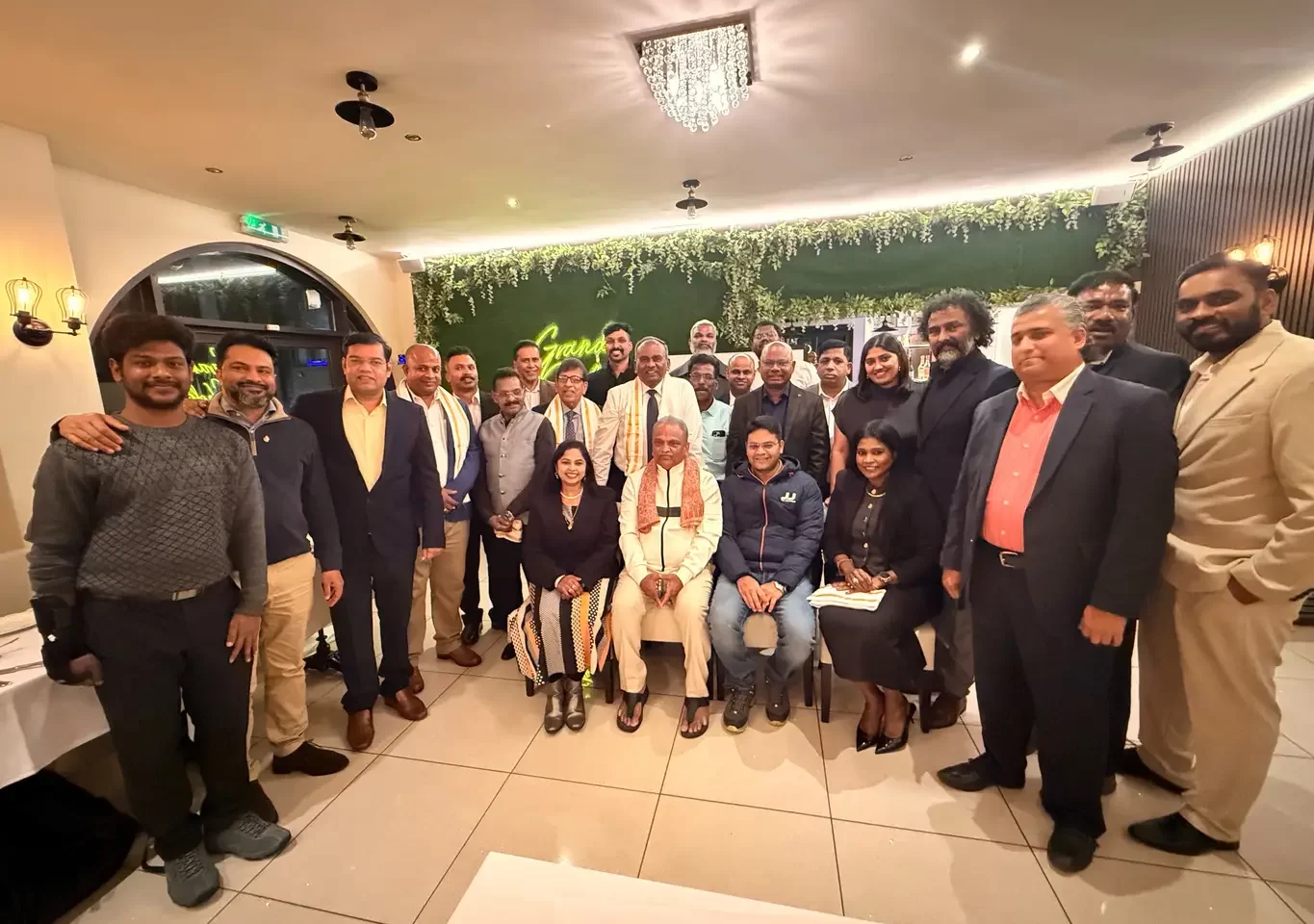
Canary Wharf business meals often fall into two categories: a quick lunch squeezed between calls, or an evening where the host needs to give colleagues and clients proper attention. Private dining is particularly valuable for the second. A more focused setting lets the conversation move freely, whether the agenda is a project milestone, a client relationship or simply a well-earned team celebration.
The food should support the occasion rather than compete with it. Dosas offer a lively beginning, with their crisp texture and freshly prepared fillings. Curries, rice and fresh roti bring substance to the table, while familiar North Indian favourites can reassure guests who have yet to explore regional Indian cooking. This balance is useful for mixed groups: nobody feels excluded, yet the meal retains a strong South Indian identity.
Timing is worth discussing before you book. A working lunch may need an efficient format and dishes that arrive promptly. An evening client dinner can allow for a more relaxed sequence of courses and a longer conversation over traditional filter coffee. Neither approach is better – it depends on the purpose of the event and the people around the table.
Make the guest list the starting point
Before choosing dishes, think about who is coming. If your group includes Indian colleagues longing for familiar flavours, regional authenticity matters. More than 60% of Grand Cholan’s guests are Indians living and working in London, which speaks to the restaurant’s commitment to food that feels recognisable, not diluted.
For guests new to Tamil cuisine, the answer is not to make the menu bland. It is to create a well-judged introduction. A selection that includes crisp dosas, comforting curries, fresh breads and carefully chosen vegetarian dishes gives people different ways into the meal. Experienced staff can help hosts shape an occasion around preferences, spice comfort and dietary requirements.
A setting for family milestones and meaningful reunions
Private dining also has a quieter purpose. It gives families a place to gather without anyone carrying the pressure of cooking, clearing or coordinating every detail from home. Birthdays, anniversaries, visiting relatives and graduation celebrations all benefit from food made for sharing and service that allows the host to sit down and enjoy the occasion too.
South Indian dining is especially suited to this kind of table. There is generosity in the way dishes are shared, contrast in every meal and room for personal favourites. One guest may reach first for a richly spiced curry, another for a delicate dosa, while someone else finds comfort in warm roti and familiar North Indian dishes. A thoughtful spread makes space for all of them.
The waterfront setting near Canary Wharf adds a sense of occasion without requiring a journey across the city. For families spread between East London, the City and beyond, convenience can be the difference between a celebration that stays an idea and one that actually happens. A welcoming restaurant setting also helps bridge formal and informal moments: polished enough for an anniversary, relaxed enough for children and extended family.
The value of a menu with a story
A memorable private meal has details that feel specific. Traditional filter coffee after a meal does more than finish the evening – it creates a pause. The aromas of mustard seeds, curry leaves and toasted spices signal a kitchen cooking with intent. A dosa arriving fresh from the griddle gives the table a moment of theatre, without turning dinner into a performance.
These are small things, but they change the experience. They give a host more than a room and a set menu. They offer a dining story rooted in Tamil heritage, with enough familiarity for every guest to feel at ease.
How to plan a private dining booking well
The strongest occasions are usually planned with a little clarity upfront. Start with the date, approximate group size and whether the gathering is business-led, family-led or a mix of both. Then consider the practical points: guests with allergies or dietary needs, the pace of the meal, and whether there is a fixed finish time.
It is also useful to decide how adventurous the table wants to be. A group of committed food lovers may welcome a menu led by regional South Indian specialities. A wider mix of guests may prefer a blend of signature Tamil dishes and established North Indian comfort food. There is no need to choose between authenticity and accessibility when the menu is planned with care.
For corporate hosts, think about the conversation you want the meal to support. If introductions and business discussion are central, an unhurried shared dinner often works better than ordering individually. For larger team occasions, a selection of dishes encourages people to interact naturally, while still giving everyone enough choice.
For family hosts, keep the focus on the people rather than trying to control every course. Ask for guidance, communicate dietary requirements early and leave room for guests to discover a new favourite. Good hospitality should make the organiser feel looked after too.
What guests remember after the table is cleared
People rarely recall every dish by name. They remember the crispness of a dosa, the first sip of proper filter coffee, a curry that tasted like home, and the feeling that the table had been chosen with them in mind. They remember being welcomed rather than processed.
That is the opportunity in private dining. It can turn a routine team meal into an expression of appreciation, or a family dinner into a proper occasion. Choose a menu with heritage, give the gathering enough time to breathe, and let majestic flavours do what they have always done best: bring people together.