North versus South Indian Food: Key Differences
A crisp dosa arriving at the table with a bowl of fragrant sambar tells a very different story from a hot tandoori roti served beside a slow-cooked curry. That contrast is the starting point for North versus South Indian food, but it is not the whole picture. India’s cooking is wonderfully regional, shaped by climate, crops, faith, trade and family tradition. Neither North nor South is one single cuisine.
For diners, the pleasure lies in recognising those differences while enjoying the generous welcome they share. Both traditions bring together spice, patience, texture and the conviction that a good meal should satisfy far more than hunger.
North versus South Indian food: the foundations
The most visible difference is often the staple on the plate. Across much of South India, rice is central. It appears steamed alongside curries, ground into batter for dosas and idlis, or cooked with lentils, vegetables and aromatic spices. In Tamil cuisine especially, rice-based dishes can move easily from a light breakfast to a celebratory feast.
In many northern regions, wheat plays a larger role. Freshly made chapati, naan, paratha and roti are used to scoop up dals, vegetable dishes and rich gravies. Rice is still greatly loved, particularly in biryanis and pulaos, but bread often anchors the everyday meal.
This is not a rule without exceptions. Coastal Karnataka, Kerala, Andhra Pradesh and Tamil Nadu all have distinct food cultures, just as Punjab, Rajasthan, Bengal, Kashmir and Uttar Pradesh do. Think of north and south as broad culinary landscapes, not fixed boxes.
The South Indian table: rice, lentils and bright flavour
South Indian cooking is often admired for its clarity and energy. Tamarind brings a tangy edge, curry leaves add their unmistakable perfume, and mustard seeds release a gentle nuttiness as they crackle in hot oil. Lentils are essential, whether simmered into sambar, blended into a smooth rasam or fermented with rice to make the batters behind idli and dosa.
A classic masala dosa captures the appeal beautifully: a thin, crisp fermented crêpe wrapped around softly spiced potato, served with sambar and coconut chutney. The plate gives you contrast in every mouthful – crunch, warmth, acidity, creaminess and heat. Idlis offer another expression of the same rice-and-lentil craft: soft steamed cakes that are light yet deeply comforting.
Tamil food has a particular sense of balance. A meal may include cooling curd, peppery rasam, earthy lentils, fiery pickle and a vegetable poriyal with coconut. The intention is not simply to make food hot. It is to build layers of flavour so that sourness, spice, salt and sweetness each have their place.
Coconut is more prominent in many southern coastal cuisines, although its use varies by region. It may appear fresh in chutneys, toasted in vegetable dishes or worked into curries for body. Sesame oil, coconut oil and ghee each bring their own character, depending on the dish and local tradition.
North Indian comfort food: breads, dairy and slow-cooked gravies
North Indian food is often associated with a fuller, more rounded richness. Dairy ingredients such as yoghurt, paneer, cream, butter and ghee can soften spice and add depth to sauces. That does not mean every northern dish is creamy. Dry sabzis, lentils, pickles and tangy chaats are equally important, but the celebrated restaurant curries have understandably become famous.
The tandoor is another defining feature. Its intense heat gives naan its blistered surface, tandoori vegetables their smoky edges and marinated meats their charred flavour. A well-made tandoori dish is not just about heat. The yoghurt marinade tenderises, while spices such as cumin, coriander and Kashmiri chilli build colour and fragrance.
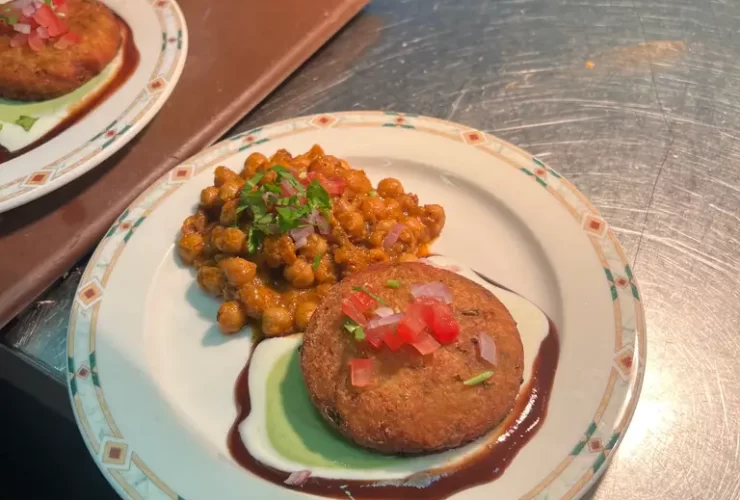
Slow-cooked dals and gravies are a particular joy. A black lentil dish may simmer for hours until it becomes silky and deeply savoury. Paneer can be gently folded into a tomato-based sauce, while chickpeas may be cooked with warming whole spices until the gravy clings beautifully to a piece of roti.
Spice is not the same as chilli
One of the least helpful assumptions about Indian food is that it is all very hot. Chilli is only one part of the kitchen. Spices create aroma, bitterness, sweetness, warmth and depth as well as heat. Black pepper can feel sharp and warming, cardamom can be floral, fennel can be sweet, and asafoetida can lend savoury complexity to lentils and vegetables.
South Indian dishes can be lively with green chillies, black pepper and red chilli, yet their sour notes from tamarind or tomato often keep the flavours fresh. North Indian curries may feel milder at first because of yoghurt, butter or cream, while still carrying considerable spice beneath the surface.
The best choice depends on your palate and the dish. Ask for guidance rather than relying on a menu description alone. A knowledgeable kitchen can help you find genuine flavour at a heat level that lets the ingredients speak.
How meals are built differently
The rhythm of eating also changes from region to region. A South Indian breakfast may be a substantial, joyful occasion: idli with sambar, pongal with chutney, vada with coffee, or dosa made fresh to order. Traditional filter coffee, poured to create its signature froth, offers a roasted, comforting finish that feels worlds away from a hurried cup on the commute.
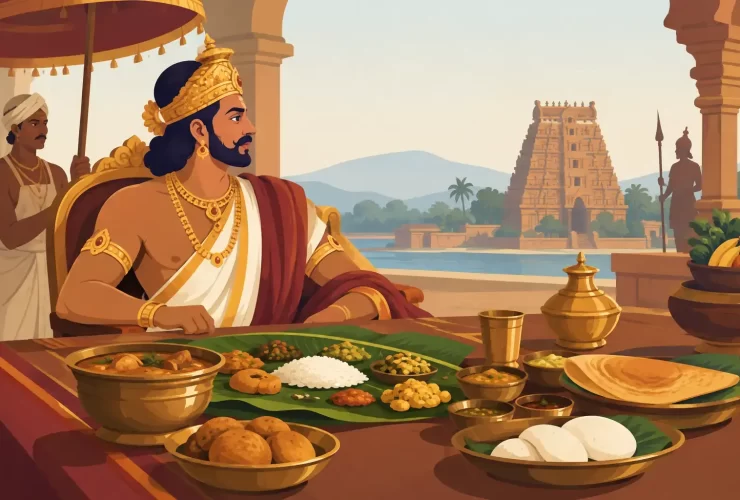
Lunch in Tamil tradition can centre on rice served with a sequence of accompaniments. Rasam, sambar, vegetables, curd and pickle may each play a role. On festive occasions, a banana-leaf meal creates a generous spread of tastes and textures, with food arranged thoughtfully rather than piled without purpose.
Northern meals often make breads the shared centrepiece, with several dishes placed around the table for everyone to enjoy. This makes them particularly suited to relaxed group dining. Tear a piece of roti, scoop up a spoonful of dal, then add a little pickle or salad. The enjoyment is communal and unhurried.
Familiar favourites and regional discovery
Many British diners first meet Indian food through a small group of well-known northern-style favourites: butter chicken, korma, tikka masala, naan and pilau rice. They can be delicious, but they represent only a fraction of the country’s food traditions. South Indian cooking offers a welcome route beyond the standard curry-house expectation, particularly for diners seeking lighter rice dishes, vegetarian choices and sharper, more aromatic flavours.
That said, one style is not better than the other. A winter evening may call for a rich paneer curry and fresh roti. A working lunch may suit a crisp dosa, fragrant rice and a bowl of sambar. The right choice depends on appetite, occasion and the kind of comfort you are looking for.
A royal Tamil heritage on the Docklands table
For London diners, regional Indian cooking is most rewarding when it is prepared with respect for its roots. At Grand Cholan, Tamil culinary heritage is treated as a source of pride, drawing inspiration from the food traditions of the Chola dynasty while welcoming the established North Indian favourites many guests know and love.
That means a table can hold both a carefully made dosa and a comforting curry with fresh roti, without suggesting that they are interchangeable. For families, colleagues and friends in Canary Wharf, it is an invitation to share a broader picture of Indian dining: one shaped by genuine flavour, skilled preparation and hospitable generosity.
Next time you choose an Indian meal, let curiosity guide the order. Pair a familiar favourite with one regional dish you have not tried before, and give each flavour the time it deserves.