Waterfront Indian Dining in Canary Wharf
A meal beside the water can change the pace of Canary Wharf. Between office towers, quick lunches and crowded commutes, waterfront Indian dining Canary Wharf offers something more considered: the comfort of a proper table, food made with character and a view that encourages guests to stay awhile.
For diners who know Indian food well, the difference lies in genuine flavour rather than a familiar label. For those new to Tamil cooking, it is an invitation to taste one of India’s great regional traditions – a cuisine shaped by coast, spice routes, farming communities and the royal heritage of the Chola dynasty.
Why waterfront Indian dining in Canary Wharf feels different
Canary Wharf is built around momentum. It is a place for meetings, deadlines and decisions made between diary appointments. That makes the waterfront a valuable counterpoint. The water creates a little breathing room, whether you are meeting a client, gathering colleagues after work or sitting down with family at the weekend.
Indian dining belongs naturally in that setting because it is made for sharing time as well as food. A dosa arriving hot and crisp at the table asks to be eaten straight away. A fragrant curry, fresh roti and rice invite guests to share, compare and return for another spoonful. The meal has its own rhythm, and that is particularly welcome when the day has been anything but calm.
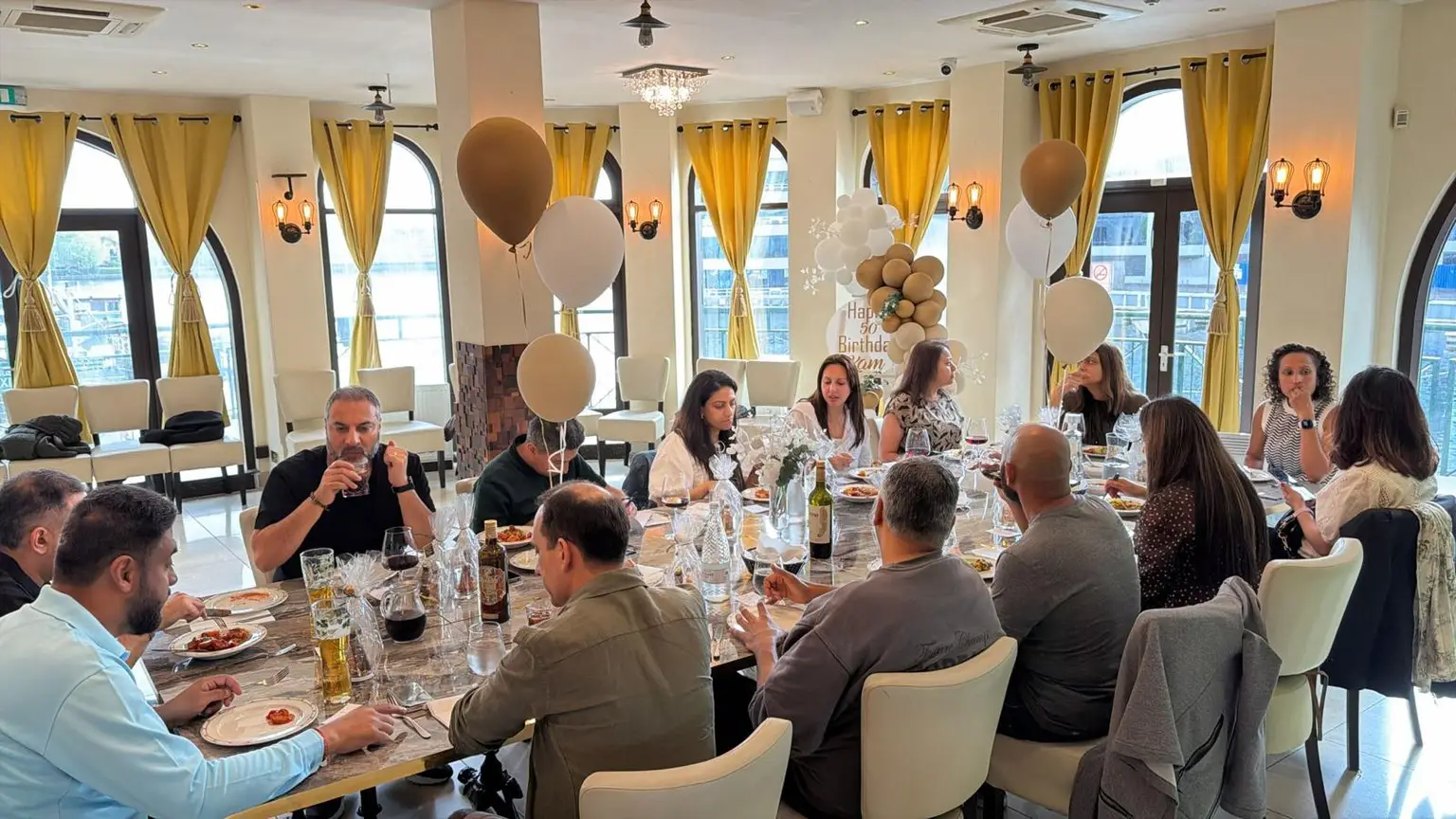
There is a practical benefit too. A waterside restaurant can suit occasions that do not fit neatly into a rushed lunch or a late-night drink. It can be the place for a thoughtful business meal, an unhurried family supper, a birthday gathering or a group booking where guests want both good food and a setting with presence.
Tamil cuisine brings a deeper sense of place
Indian food is not one single cuisine. The country’s regions have distinct ingredients, techniques and food traditions, and Tamil cooking deserves to be recognised on its own terms. Its dishes can be bright with tamarind, aromatic with curry leaves, warming with black pepper and carefully balanced with coconut, lentils and toasted spices.
The dosa is perhaps the most recognisable expression of this craft. Made from a fermented batter of rice and lentils, a good dosa has a delicate tang, a crisp exterior and a lightness that comes only from patience and skill. It may be served simply or filled with a spiced potato masala, accompanied by sambar and chutneys that bring heat, sweetness, acidity and freshness to the plate.
That balance is central to South Indian dining. Heat is not there to overwhelm. Tamarind can cut through richness; coconut can soften spice; lentils give body; mustard seeds and curry leaves add their unmistakable fragrance. The result is food that can feel comforting and lively at the same time.
Tamil culinary heritage also carries a sense of ceremony. The Chola dynasty is remembered for its influence on South Indian art, architecture, trade and culture. Food traditions associated with Tamil royal households speak of generosity, abundance and care in preparation. Royal South Indian dining is not about formality for its own sake. It is about treating ingredients, guests and shared meals with proper respect.
Beyond the standard curry-house order
There is always a place for beloved North Indian favourites. A rich curry, tender tandoori preparation or freshly made roti can be exactly what a guest wants after a long day. The most satisfying Indian restaurant menus make room for these familiar comforts while giving diners a clear route towards regional discovery.
For a first visit, this might mean beginning with a dosa and its accompaniments, then choosing a South Indian curry alongside roti or rice. Guests who prefer recognised classics need not feel excluded, especially in mixed groups where tastes and spice preferences differ. The pleasure comes from having a real choice, not from asking every diner to order the same way.
This is particularly useful for corporate tables. One colleague may be seeking the flavours of home, another may be trying Tamil food for the first time, and a third may simply want a dependable favourite. A menu with depth allows everyone to eat well without reducing Indian cuisine to the same handful of dishes.
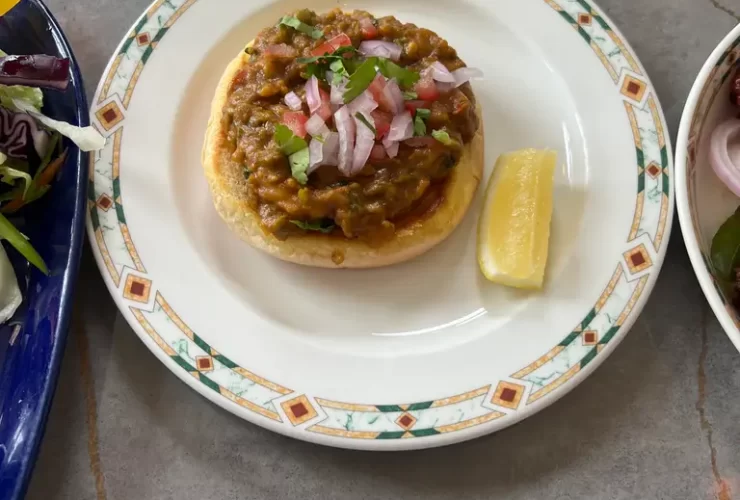
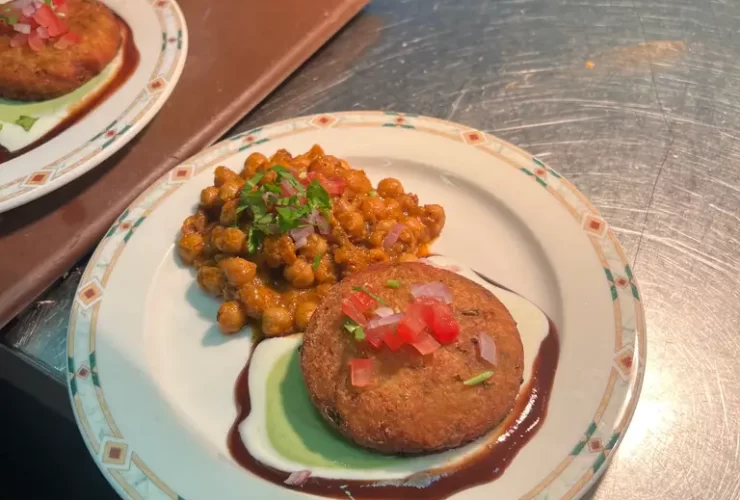
At Grand Cholan, this approach is rooted in an uncompromising belief that authentic food should remain welcoming. The kitchen brings experienced Indian cooking to signature dosas, flavourful curries, fresh roti and traditional filter coffee, with the hospitality to match. It is one reason that Indian guests living and working in London make up more than 60 per cent of its diners – a meaningful measure when familiar tastes are held to the highest standard.
Choosing the right meal for the occasion
The best choice depends on why you are dining and how much time you have. A weekday lunch may call for something direct and satisfying: a dosa, a curry with rice or a lighter South Indian dish that does not leave you ready for an afternoon nap. For client dining, dishes with layered flavour and easy sharing can make conversation flow more naturally than an overly formal meal.
For an evening with friends or family, it is worth allowing the table to become more generous. Order across textures and temperatures: something crisp, something slow-cooked, fresh breads and a dish with a little brightness from tamarind or tomato. This is not a rule, merely a useful way to enjoy the range of a regional menu.
Spice tolerance deserves an honest conversation, too. Authenticity does not mean every dish must be fiercely hot. South Indian food has many forms of warmth, from peppery depth to sharp chilli heat, and good hospitality means helping guests find the level that suits them. Ask for guidance if you are unfamiliar with a dish. The right recommendation can turn a cautious first order into a new favourite.
Make space for filter coffee
Traditional South Indian filter coffee is more than an afterthought. Its deep roasted aroma and creamy texture provide a fitting close to a meal of spice and savoury richness. It is especially suited to a lingering conversation by the waterfront, when dessert is not essential but the evening does not need to end just yet.
A setting that works after the working day
Waterfront dining has obvious appeal on a bright evening, but it is not only for special occasions or summer reservations. In colder months, the sight of the water beyond a warm, welcoming dining room can be equally restorative. It offers a change of scene without requiring a journey across London.
For Docklands professionals, that convenience matters. A venue should be close enough for a business lunch, relaxed enough for a team meal and capable of hosting a larger private gathering when plans call for more than a standard restaurant table. Families, visitors and local residents need the same ease, but with food that feels generous rather than hurried.
The trade-off is that popular dining times can be busy, especially when offices empty and weekend groups make plans. If the occasion matters – a client meeting, a birthday, a family reunion or a private event – reserving ahead gives the meal the attention it deserves. For a more spontaneous visit, an earlier table can offer a quieter experience and more time to enjoy the view.
The value of a meal with heritage
A waterfront table is memorable, but the food is what gives the occasion meaning. When Tamil dishes are cooked with knowledge and served with pride, they carry stories of regional ingredients, family rituals and a cuisine far richer than the generic idea of an ‘Indian meal’.
Next time Canary Wharf feels all glass, schedules and speed, choose a table where the meal is allowed to take its time. Order with curiosity, share generously and leave room for coffee – the water will still be there when the last plate is cleared.