Vegetarian South Indian Food in Docklands
A proper dosa should arrive with a quiet sense of occasion: freshly made, golden at the edges and carrying the warm, toasted perfume of fermented rice and lentil batter. For vegetarian South Indian food Docklands diners can enjoy with genuine flavour and cultural depth, that attention to craft makes all the difference. This is food built not around a substitute for meat, but around ingredients that have always had a proud place at the table.
In Tamil cuisine, vegetables, pulses, rice, coconut, tamarind and spices do far more than fill a side dish. They create meals of contrast and character: cooling yoghurt alongside fiery chutney, crisp vada beside soft idli, and fragrant sambar that brings everything together. It is generous food, made for sharing, lingering and returning to.
Why South Indian vegetarian cooking feels so complete
Vegetarian dining can sometimes be treated as a limited choice, particularly on broad Indian menus where a few familiar curries appear beside a much longer list of meat dishes. South Indian cooking takes a different view. Many of its most cherished classics are naturally vegetarian, shaped over generations by regional produce, temple traditions, home cooking and the changing seasons.
The pleasure lies in balance. Lentils give body and depth; mustard seeds, curry leaves and asafoetida bring aroma; coconut rounds out heat; and tamarind delivers its unmistakable bright tang. A well-made meal has layers rather than sheer intensity. It may begin softly with steamed idli, build through the savoury warmth of sambar and finish with the lively spark of a chutney made with coconut, tomato or coriander.
For guests who are vegetarian, this means there is no need to settle for an afterthought. For diners who simply enjoy food with colour and complexity, it offers a welcome change from predictable curry-house choices. The dishes are satisfying without being heavy, though richness has its place too, especially when a generous masala filling or creamy coconut-based curry calls for fresh roti on the side.
Vegetarian South Indian food in Docklands, beyond the usual curry
Docklands is a place of busy working days, waterfront walks and dinners that need to suit different appetites at the same table. A group may include someone looking for familiar food from home, a colleague trying Tamil cuisine for the first time and a family member who wants a comforting meal without compromise. South Indian vegetarian dishes meet that brief naturally.
The dosa is often the ideal starting point. Its thin, crisp exterior and tender centre create a texture that is as memorable as its flavour. A plain dosa lets the fermented batter speak for itself, while masala dosa offers the comforting heartiness of a spiced potato filling. Served with sambar and chutneys, it is a complete meal with its own rhythm: tear, dip, taste, repeat.
Idli offers another expression of the same rice-and-lentil tradition. These soft steamed cakes are light in texture but quietly nourishing, particularly when paired with hot sambar. They work beautifully for a relaxed lunch or a meal that feels restorative after a long day in Canary Wharf.
Then there is vada, with its crisp outer ring and soft, savoury middle. Made with lentils and seasoned with spices, it brings a deeper fried warmth to the table. It is especially welcome when shared, although ordering one with the intention of sharing can be optimistic.
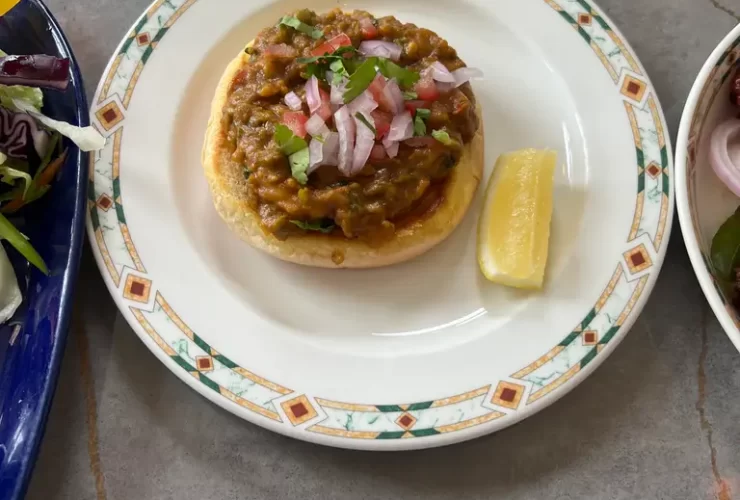
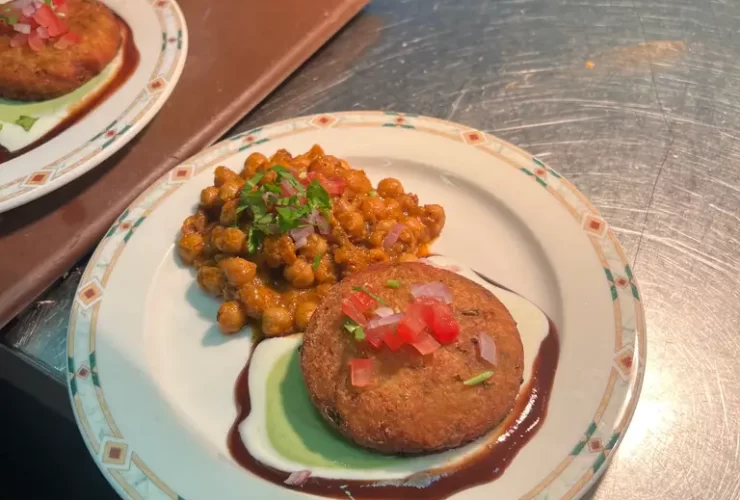
At Grand Cholan, these classics are prepared as part of a broader royal South Indian dining experience, inspired by the culinary heritage of Tamil civilisation and the Chola dynasty. The point is not to make history feel distant. It is to honour food that has been passed down, perfected in skilled kitchens and still belongs at an everyday family meal.
The dishes that make a vegetarian table feel generous
A memorable South Indian meal is rarely about one plate alone. It is about how the dishes support one another. A crisp dosa welcomes sambar; a vegetable curry asks for roti or rice; a sharp pickle cuts through a richer bite. This is dining with variety at its heart.
For a fuller table, look for vegetable curries where the seasoning does not conceal the produce. Okra, aubergine, potato, cauliflower and seasonal vegetables all respond differently to Tamil spices. The best preparations respect that difference. Some are dry and boldly tempered, others have a comforting gravy, and some lean into coconut for a gentler, rounded finish.
Rice dishes also deserve attention. A fragrant vegetable biryani can be a feast in itself, with each grain carrying spice and aroma. Lemon rice, tamarind rice and curd rice offer different moods entirely: one bright and lively, one deeply tangy, one soothing and cooling. What suits best depends on the occasion. A quick working lunch might call for idli or a dosa; a leisurely evening meal may invite several dishes and a shared rice course.
Do ask about spice levels if you are new to the cuisine. South Indian food is flavour-led, not simply hot, but recipes vary and personal preferences matter. A knowledgeable team can help create a table that feels balanced, whether you enjoy a gentle warmth or want the full liveliness of chilli, pepper and warming spices.
The essential supporting cast
Chutneys and sambar are not decorative extras. They are central to the experience. Coconut chutney offers cool creaminess, tomato chutney can bring sweetness and acidity, and sambar adds a comforting lentil depth enlivened by vegetables and tamarind.
Freshly made roti belongs on the table when curries are involved. Its soft, warm texture makes it an ideal companion for scooping up sauce and slowing the meal down. If you are dining with a mixed group, it also provides an easy bridge between South Indian specialities and the North Indian comfort-food favourites many guests already know.
A meal shaped by hospitality, not just a menu
Food from Tamil Nadu is rich in the idea of welcome. Serving guests generously is part of the culture, and that generosity shows in the way a meal unfolds. There is room for familiar favourites, but also an invitation to taste something new.
For professionals in Docklands, this can make a business meal feel less routine. A dosa lunch is easy to enjoy without losing the sense that you have stepped away from the office. For client dining, a thoughtfully chosen spread gives the table something to talk about beyond the day’s agenda. For families, vegetarian South Indian food offers choices across ages and appetites, from mild, comforting idli to more spirited curries and crispy vada.
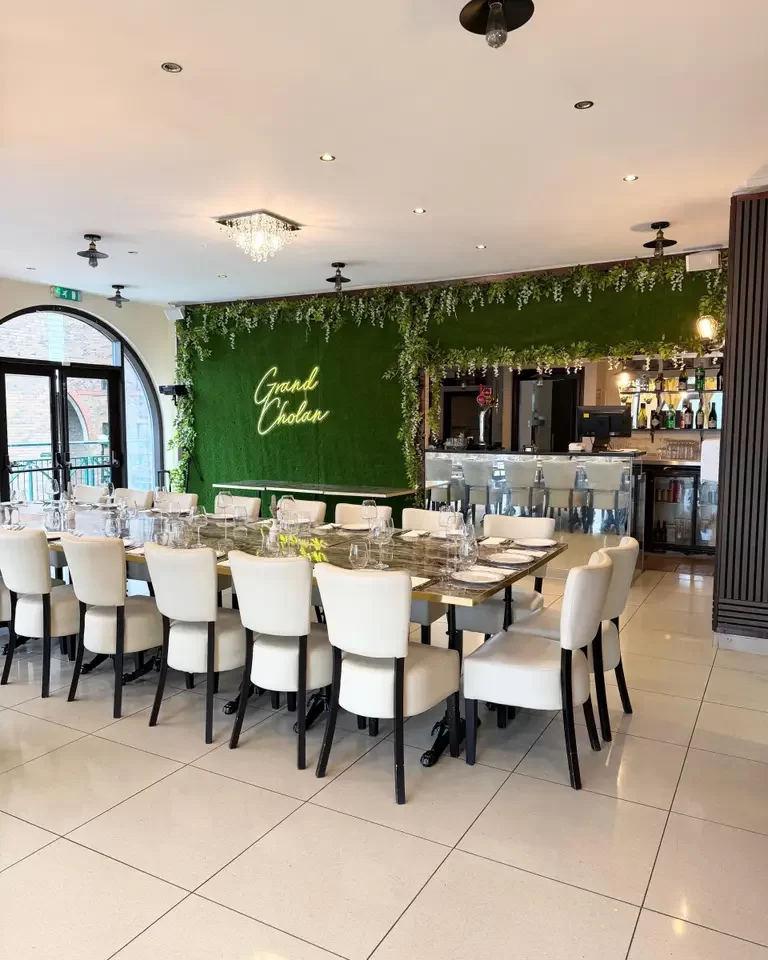
The setting matters too. A serene waterfront meal can turn an ordinary weekday into an occasion, while group dining gives South Indian food the shared atmosphere it deserves. There is no single right way to order. Two people may be happiest with one dosa each and a warming filter coffee. A larger party may want to build a spread of starters, curries, breads, rice and chutneys, allowing everyone to taste across the table.
Do not leave without filter coffee
Traditional South Indian filter coffee is more than a final drink. Its deep aroma and smooth, milky body provide a fitting close to savoury spices and tangy chutneys. Served hot, it has a comforting familiarity for those who grew up with it and an immediate charm for those tasting it for the first time.
It is also a reminder of what makes this cuisine enduring. The most memorable dishes are not trying to impress through novelty. They are made with patience, proportion and respect for ingredients. That is why more than 60% of Grand Cholan’s guests are Indians living and working in London: for many, authenticity is not an abstract promise but a flavour they recognise at the first bite.
The next time a meal in Docklands calls for more than the usual, make room for a crisp dosa, a bowl of sambar and a cup of filter coffee. Come hungry, order with curiosity and let the table take its time.