Family Friendly Indian Restaurant Docklands
A family meal should not feel like a negotiation over what everyone will eat. It should be a chance to put warm food in the middle of the table, pass a dosa across to curious little hands and let the conversation run longer than planned. For those searching for a family-friendly Indian restaurant Docklands diners can return to, the best choice is one that offers familiar comfort alongside new flavours worth sharing.
Indian dining has always had a natural place at family tables. The dishes are generous, the aromas invite conversation and there is room for every appetite, from a child who wants something simple to a grandparent looking for the flavours they know by heart. In Docklands, a meal with Tamil roots brings something especially memorable: a taste of South India’s royal culinary heritage, served with genuine warmth.
What makes a family-friendly Indian restaurant in Docklands?
Family-friendly does not simply mean adding a few safe dishes to a menu. It means creating a meal that works at a human pace. Parents need choices that feel easy, children need food they can enjoy without fuss, and everyone deserves to feel welcome at the table.
A well-made dosa is a fine example. Its crisp, golden surface is inviting before anyone has even asked what it is. Served with fragrant sambar and chutneys, it can be explored in small pieces or enjoyed as a full meal. Idlis offer another gentle introduction to South Indian cooking: soft, light and comforting, with a texture that even younger diners often recognise as reassuring.
For families who prefer familiar favourites, fresh roti and rice provide a comforting foundation for curries. The key is variety. One person may be eager for the bright tang of a South Indian speciality, while another may favour a classic North Indian curry. A thoughtful menu makes space for both without treating either as an afterthought.
Spice should be an invitation, not a test
Indian food is often unfairly reduced to a question of heat. True flavour is much broader than chilli. It is the warmth of roasted spices, the savoury depth of lentils, the sweetness of coconut, the lift of tamarind and the fragrance of fresh herbs.
That distinction matters when dining with children or guests who are less familiar with Indian cuisine. Mild and comforting choices can sit beautifully alongside dishes with a deeper kick, allowing the table to share a proper meal rather than ordering in separate directions. If you are unsure where to begin, asking the serving team for guidance is often the simplest route to a balanced order.
A relaxed setting matters as much as the menu
A good family restaurant understands that not every outing is a grand occasion. Sometimes it is a midweek supper after work and school. Sometimes it is a weekend treat before a walk around the waterfront. On other days, it is the gathering everyone has been trying to arrange for months.
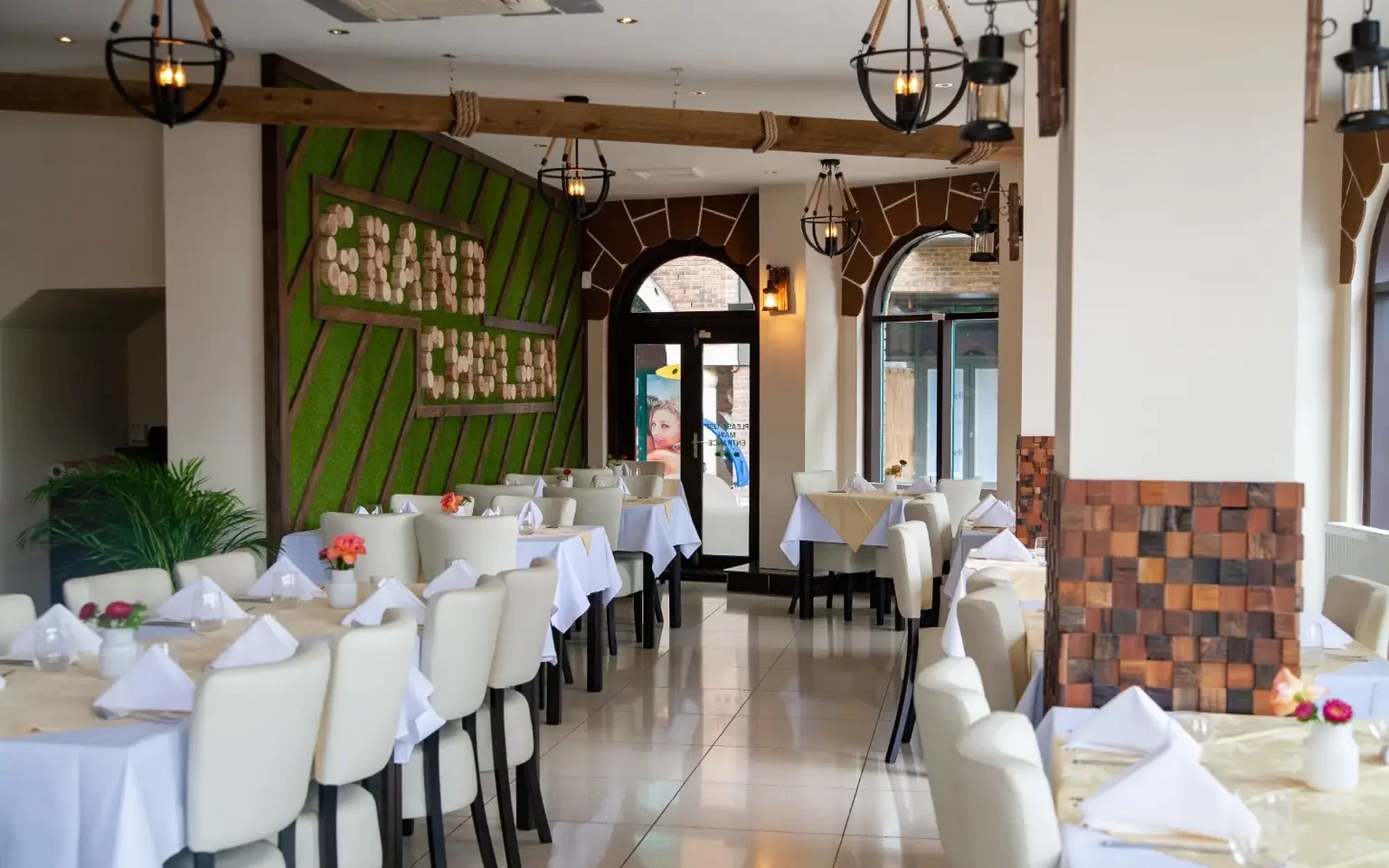
The Docklands setting adds a welcome sense of space to these moments. Away from the rush of a quick desk lunch, families can settle in, take their time and enjoy the occasion. A calm dining room helps adults relax and gives children the breathing room to be themselves, while attentive service keeps the experience moving comfortably.
For families meeting from different parts of London, Canary Wharf can be a practical meeting point as well as an enjoyable one. It suits local residents, visiting relatives and professionals who want to turn the end of the working day into proper time together. The setting should feel polished enough for a birthday or visiting guest, but easy enough for an ordinary Tuesday.
Sharing is the heart of Indian family dining
The most rewarding way to order for a group is often to think beyond individual plates. Begin with dishes that encourage everyone to taste and talk. A dosa can be shared as a starter for the table, while fresh roti is made for tearing, dipping and passing around. A selection of curries lets each person build their own perfect bite with rice, bread and accompaniments.
This is particularly useful for children who are still learning what they like. They do not need to commit to a large unfamiliar dish. A small piece of roti with a gently spiced curry, a spoonful of rice or a taste of sambar can become the beginning of a new favourite.
There is a trade-off, of course. A fully shared meal is joyful, but larger groups can find it easier to lose track of portions. The answer is not to over-order every dish on the menu. Choose a clear centrepiece, add breads and rice for the table, then balance it with two or three curries that offer different flavours and levels of richness. That approach leaves room for everyone without turning a family meal into waste.
Tamil heritage gives the meal a story
South Indian food is not one fixed style of cooking. It is a vast tradition shaped by region, season, community and history. Tamil cuisine carries a particularly proud legacy, with cooking that values balance, careful tempering and ingredients used with confidence rather than excess.
At Grand Cholan, that heritage is central to the table. The restaurant draws inspiration from the culinary traditions associated with the Chola dynasty, presenting royal South Indian dining in a way that remains welcoming and grounded. The result is not a history lesson served beside dinner. It is a meal with character: crisp dosas, flavourful curries, fresh breads and traditional filter coffee that honour a culture of hospitality.
For Indian families living and working in London, these dishes can bring a welcome sense of home. For non-Indian diners, they offer a chance to move beyond the same familiar curry-house order and experience the depth of regional Indian cooking. Both belong at the same table.
Familiarity and discovery can sit together
The best family meals allow everyone to eat confidently while trying something new. A child may choose roti and a comforting curry. Parents may explore a more distinctive Tamil dish. Grandparents may appreciate the care taken with traditional flavours. Nobody needs to be left out for the sake of being adventurous.
This balance is also helpful when hosting friends whose tastes you do not know well. Indian dining is generous by nature, and a varied table removes pressure. There is usually something mild, something aromatic, something crisp and something richly satisfying to share.
Making a family occasion feel effortless
For a birthday, reunion or a meal with several generations, planning ahead makes a meaningful difference. A table that fits the group comfortably, a clear idea of how much to order and a little advice on the menu can turn a potentially busy occasion into an easy one.
Private group dining can be especially useful when the meal has a purpose beyond dinner. Perhaps you are welcoming relatives to London, celebrating an achievement or bringing colleagues and families together after work. In those moments, the food should carry the occasion rather than compete with it.
Timing matters too. Families with younger children may prefer an earlier meal and a shorter, simpler order. A larger evening gathering may call for more courses, more sharing dishes and time for filter coffee at the end. There is no single right way to enjoy Indian food, only the version that lets your group feel comfortable and well looked after.
A memorable family meal is rarely about choosing the fanciest dish. It is about finding a table where every generation can eat well, discover something delicious and leave with a reason to return.