

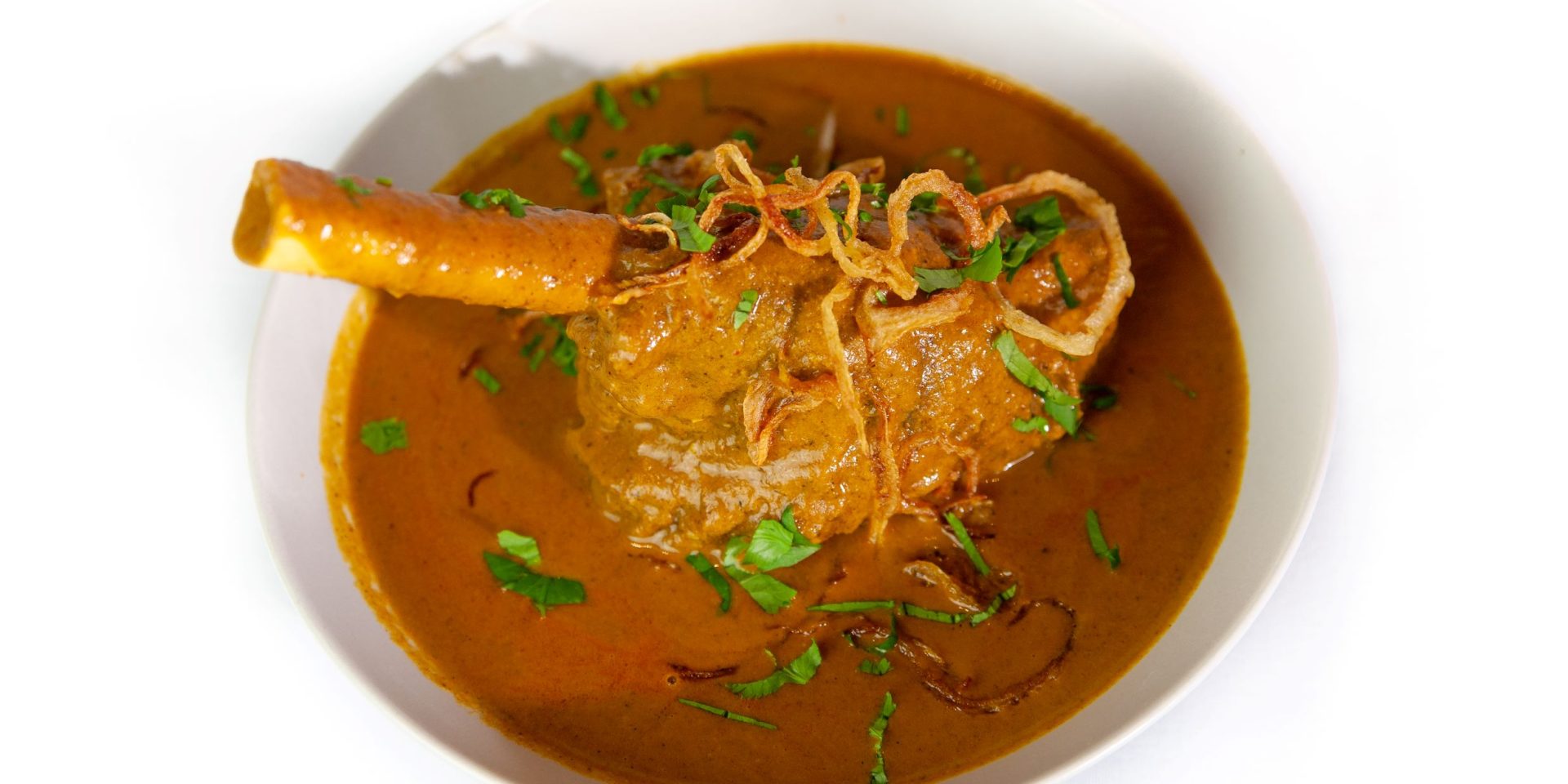
Village Lamb Shank Curry
South Indian Village Lamb Shank Curry—frequently rooted in the culinary traditions of Tamil Nadu, Kerala, and Andhra Pradesh—is a slow-braised meat dish characterized by its deeply aromatic, coconut-rich gravy and robust spice profile. Unlike mild, creamy Western-style curries, a traditional village-style (Grama) lamb curry relies on fresh whole spices, shallots, curry leaves, and coconut in multiple forms to achieve a thick, layered sauce that clings to tender, bone-in meat.
1. Culinary Heritage and the "Village" Philosophy
The term "Village Curry" (Grama Kuzhambu or Attukal Kuzhambu) refers to rustic, home-style cooking techniques passed down through generations in coastal and inland South India. Traditionally prepared over open charcoal or wood fires in heavy clay pots (man chatti), this cooking style focuses on maximum flavor extraction from accessible, fresh local ingredients.
Heavy Bone-In Cuts: Village cooks prioritize bone-in cuts like lamb or mutton shank (Nalli). Bone marrow melts into the sauce during long simmer cycles, imparting a silky body and deep savory depth without artificial thickeners.
Freshly Ground Masalas: Pre-packaged powders are rarely used. Spices are dry-roasted or pan-fried in coconut oil or ghee, then hand-ground on a stone grinder (ammi kal) into a coarse paste alongside fresh coconut and onions.
Clay Pot Braising: Clay retains heat evenly and allows slow evaporation, concentrating the earthy flavors of garlic, ginger, and curry leaves while breaking down tough connective tissue.
2. The Role of Coconut in South Indian Lamb Curries
Coconut is the backbone of coastal South Indian cuisine, providing balance, texture, and natural sweetness against fiery chili heat and pungent spices. In a village-style shank curry, coconut is typically introduced in three distinct forms:
Freshly Roasted & Ground Coconut (Varutharipya)
In regions like Kerala and southern Tamil Nadu, fresh grated coconut is roasted in a dry pan alongside fennel seeds, coriander seeds, and dry red chilies until deep golden brown. Ground into a smooth, oily paste, this forms the foundation of the thick gravy, adding a dark color, nutty aroma, and natural body.
Coconut Milk (Thengapal)
Thin coconut milk (second extraction) is added early in the braising phase to cook the lamb shank. Thick coconut milk (first extraction) is stirred in right before taking the pot off the heat. This adds richness without splitting and mellows the heat from black pepper and dry red chilies.
Roasted Coconut Bites (Kottu)
Small, paper-thin slivers of fresh coconut are sautéed in coconut oil until crispy and used as a garnish or stirred in near the end of cooking, providing a pleasant textural crunch against the tender meat.
3. Spice Profile and Layering
South Indian lamb curry derives its signature heat and aroma from a distinct combination of spices that differs significantly from North Indian Mughlai or Garam Masala profiles.
Ingredient Category
Key Components
Role in the Curry
Base Aromatics
Small Indian Shallots (Sambar Onions), Garlic, Fresh Ginger
Provides a sweet, pungent foundation superior to large red onions.
Primary Whole Spices
Fennel seeds (Saunf), Black Pepper, Coriander seeds, Cumin
Fennel and black pepper dominate the flavor profile, offering warmth without excessive sourness.
Coastal Tempering
Mustard seeds, Curry leaves, Dry Whole Red Chilies, Coconut Oil
Sautéed first in oil (Tadka or Thalippu) to release fat-soluble essential oils.
Souring & Brightening
Tomatoes, Tamarind, or Kalpasi (Black Stone Flower)
Adds a subtle tang to cut through the heavy fats of the lamb marrow and coconut.
4. The Science of Cooking Lamb Shank
Lamb shank is an active muscle full of connective collagen. When braised slowly over low heat for 2.5 to 3 hours, the collagen converts into gelatin.
Searing: The shank is first seared on high heat in coconut oil to brown the exterior via the Maillard reaction, locking in juices and creating a savory base layer.
Slow Simmer: The seared shank is submerged in a liquid base of fresh tomato puree, thin coconut milk, and ground spice paste. As it simmers gently below a boil, the marrow inside the bone dissolves into the broth.
Resting: Resting the curry allows the shank meat to reabsorb the concentrated coconut-spice sauce while the flavors mature.
5. Regional Variations
Chettinad Lamb Shank Curry (Tamil Nadu): Known for its aggressive use of fresh black pepper, dried kapok pods (Maratti Mokku), star anise, and toasted coconut paste. It delivers a dark, peppery, highly aromatic sauce.
Kerala Varutharachi Mutton Curry: Uses a heavy base of deeply dark roasted coconut paste, curry leaves, and green chilies braised in coconut oil.
Andhra Mamsam Kura: Emphasizes spicy red chili pastes, poppy seeds (khus khus), and coconut powder, producing a fiery red gravy with high heat levels.
6. Traditional Accompaniments
Because village-style shank curry has a rich, spiced gravy, it is paired with absorbent South Indian starches:
Malabar Parotta: Flaky, layered flatbread made from refined flour, ideal for soaking up thick coconut gravy.
Appam & Idiyappam: Fermented rice-and-coconut pancakes or string hoppers that absorb thin juices easily.
Ghee Rice (Nee Choru): Short-grain rice cooked with ghee, whole aromatic spices, and fried cashews.
Steamed Matta Rice: Coarse red rice common in Kerala villages, durable enough for heavy bone-marrow gravies.
Grand Cholan restaurant is also an excellent venue for private events, including Christmas parties, corporate gatherings, birthday celebrations, anniversaries, and more. For additional information about our mission, menu, and attentive table-side service, please visit www.grandcholan.com.