
Samosa Channa Chat
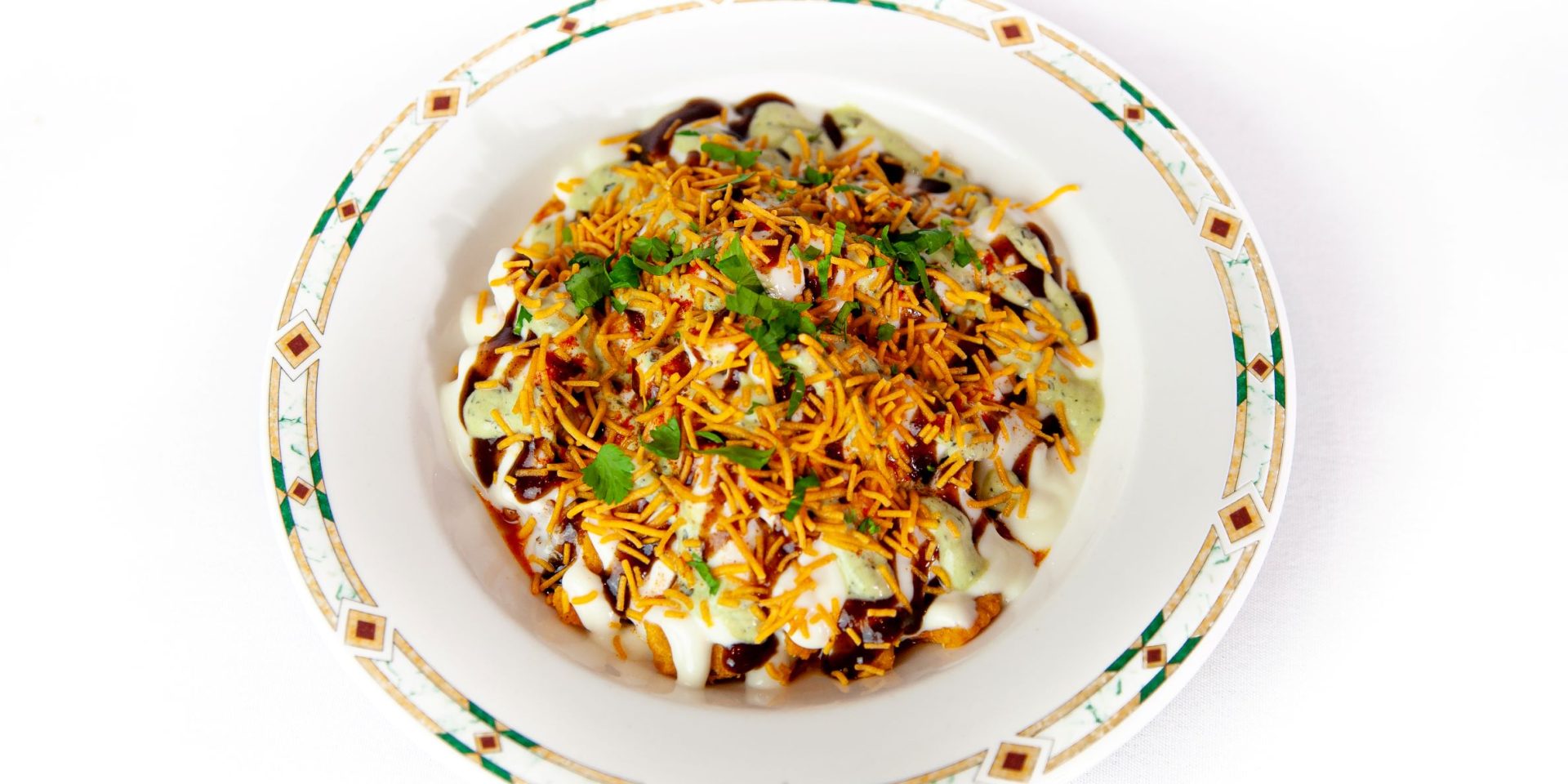
Samosa Chana Chaat—often called Samosa Chaat—is a street-food classic originating from the bustling food stalls and bazaars of North India (particularly Punjab, Uttar Pradesh, and Delhi). It brings together two popular Indian delicacies: crispy, deep-fried potato samosas and a spicy, tangy chickpea curry (chana masala).
Rather than serving the samosa as a dry finger food with chutney on the side, it is coarsely crushed in a bowl, ladled over with steaming chickpea curry, and layered with yogurt, chutneys, raw aromatics, and crunchy garnishes.
1. Culinary Roots and the Concept of "Chaat"
The word Chaat derives from the Hindi verb chaatna, meaning "to lick"—a reference to mouthwatering flavor combinations designed to hit every taste bud at once.
Traditional Indian chaats are built on a balance of five distinct flavor and texture pillars:
Crunch: Fried dough bases (in this case, the flaky exterior crust of the samosa).
Warmth & Savory Depth: A hot, spiced legumes or potato base (the chana masala).
Cooling Creaminess: Chilled, lightly sweetened yogurt (dahi).
Tang & Heat: Vibrant red tamarind-date chutney (sweet) and green mint-coriander chutney (spicy).
Fresh Aromatics: Raw onions, green chilies, coriander, and ground finishing spices.
Samosa Chana Chaat elevates simple street snacking by combining a hot, hearty chickpea gravy with cold, tangy toppings over a flaky pastry.
2. Deconstructing the Components
A complete, authentic North Indian Samosa Chaat is built from three core sub-preparations layered together right before serving:
The Samosa Base
The foundation consists of one or two freshly fried Punjabi-style samosas. The outer crust (patti) is made from refined flour (maida) shorted with ghee or oil to achieve a flaky, melt-in-the-mouth khasta texture. Inside, the filling features coarsely mashed potatoes, green peas, toasted cumin, coriander seeds, ginger, and green chilies.
The Chana Masala (Chickpea Curry)
The curry poured over the samosa is a North Indian Amritsari Chole or Chana Masala. Dried white chickpeas (kabuli chana) are pressure-cooked with whole spices (black cardamom, bay leaves, cinnamon, and sometimes tea bags to give the chickpeas a deep, dark color). They are then simmered in a dark tomato-onion gravy seasoned with dried mango powder (amchur), pomegranate seed powder (anardana), and chole masala.
The Chutneys & Dairy
Sweet Tamarind-Date Chutney (Meethi Chutney): A dark brown, glossy sauce made from tamarind pulp, jaggery or sugar, cumin, and ginger powder (sonth).
Spicy Green Chutney (Hari Chutney): A bright green, raw emulsion of fresh mint leaves, coriander, green chilies, lemon juice, and black salt (kala namak).
Sweetened Whisked Yogurt (Dahi): Fresh, thick yogurt whisked with a little sugar and chilled, providing a cooling barrier against the fiery spices.
3. Flavor Architecture and Spice Composition
The complexity of Samosa Chana Chaat comes from the interplay between warm cooked spices and fresh, sharp toppings:
Layer
Primary Ingredients
Flavor & Texture Role
Foundation
Crushed potato samosa
Flaky, crisp, buttery pastry with warm potato interior.
Curry Layer
Amritsari Chana Masala
Hearty, rich, earthy, savory, and mildly sour.
Cooling Layer
Whisked chilled yogurt
Creamy, smooth, sweet-tangy element that tempers heat.
Chutney Layer
Tamarind & Mint-Coriander chutneys
Sweet, sharp, sour, herbal, and spicy contrast.
Garnish Layer
Fine chickpea-flour noodles (Sev), raw red onions, fresh cilantro, Chaat Masala
High crunch, pungent sharpness, and an instantly recognizable sulfurous/tangy finish.
4. The Finisher: Chaat Masala and Black Salt
No North Indian chaat is complete without its defining dusting of Chaat Masala. This finishing spice blend consists of:
Black Salt (Kala Namak): Volcanic rock salt with a sulfurous aroma that provides chaat's signature taste.
Dried Mango Powder (Amchur): Adds a sharp, fruity sourness.
Roasted Cumin Powder (Bhuna Jeera): Imparts a warm, nutty aroma.
Dried Ginger & White Pepper: Provides a subtle, lingering back-of-throat heat.
5. Regional Variations
While the Punjabi/Delhi street stall version is the gold standard, regional variations exist across India:
Delhi / Dhaba Style: Uses dark, tea-infused black chickpeas (Kale Chole) with extra raw ginger juliennes and pomegranate seeds on top.
Kolkata Style Samosa Chaat: Features a yellow-pea curry (Ghugni) instead of white chickpea masala, topped with raw mustard-oil-dressed onions.
Mumbai / Western Style: Frequently served with thinner ragda (dried yellow pea gravy) rather than thick chana masala, and topped with extra fried garlic chutney.
6. Traditional Assembly Sequence
Assembly is performed quickly right in front of the customer:
Crushing: One or two hot samosas are placed in a bowl and gently broken open with a thumb or spoon to allow the gravy to seep inside.
Ladling: A generous scoop of piping-hot Chana Masala is poured directly over the center.
Drizzling: A large dollop of chilled yogurt is ladled over, followed by crisscrossing streaks of sweet tamarind and spicy mint chutneys.
Topping: Finely chopped red onions, fresh cilantro, crispy sev, and a sprinkle of Chaat Masala finish the bowl.
7. Serving Suggestions
Samosa Chana Chaat is served hot as an afternoon snack or light street meal. It pairs naturally with:
Masala Chai: A hot, boiled glass of cardamom and ginger tea to complement the crispy pastry and spiced chickpea gravy.
Sweet Lassi: A thick, chilled yogurt drink served in a clay cup (kulhad), ideal for cooling down the palate.
Grand Cholan restaurant is also an excellent venue for private events, including Christmas parties, corporate gatherings, birthday celebrations, anniversaries, and more. For additional information about our mission, menu, and attentive table-side service, please visit www.grandcholan.com.