

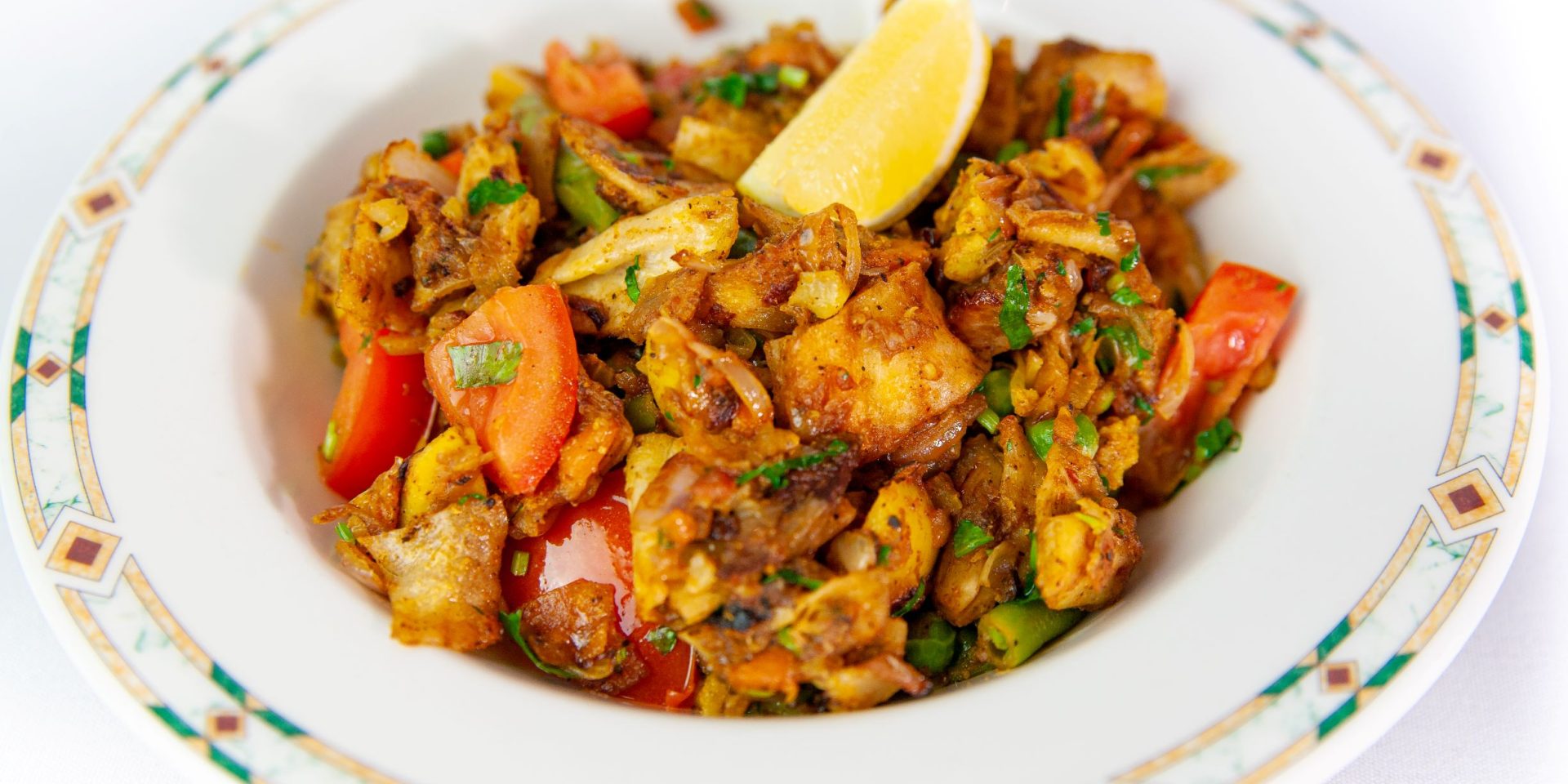
Kothu Paratha
Kothu Parotta (often spelled Kothu Paratha) is one of the most iconic street food phenomena originating from the state of Tamil Nadu in South India, as well as the Northern and Eastern provinces of Sri Lanka. Derived from the Tamil word kothu (meaning "to minced" or "to chop"), this dish transforms layered, flaky flatbreads into a fiery, stir-fried masterpiece. It is as much a spectacle of street culinary performance as it is a deeply satisfying late-night meal.
The Origins & Culinary Performance
The roots of Kothu Parotta trace back to Madurai, a bustling cultural hub in Tamil Nadu known for its vibrant night markets and evening street-food culture (fast-food kadai). Originally conceived as a clever, zero-waste method to repurpose leftover flaky parottas (all-purpose flour flatbreads distinct from whole-wheat North Indian parathas), the dish quickly grew into a standalone delicacy in its own right.
What makes Kothu Parotta universally recognizable is its dramatic preparation:
The Soundscape: As twilight settles, street vendors heat massive, flat iron griddles (tavas). Using two heavy, flat-edged metal blades or scrapers, the cook rapidly chops, slices, and tosses shredded parotta together with vegetables, eggs, spices, and meat gravies.
The Rhythm: The rhythmic clack-clack-clack of metal blades clashing against hot iron reverberates through South Indian night markets, serving as an irresistible auditory signpost for hungry passersby.
Key Components & Preparation
The magic of Kothu Parotta lies in how the bread absorbs liquid spice while retaining its soft, chewy bite.
The Parotta Base: Freshly cooked or day-old Malabar or Madurai parottas are hand-shredded into thin ribbons or small bite-sized pieces. Because these flatbreads are made with oiled dough layered repeatedly before frying, they have inherent richness and structural elasticity that holds up under intense heat and chopping.
The Aromatic Base: On the hot griddle, mustard seeds, curry leaves, finely diced onions, green chilies, ginger, and garlic are tempered in oil until soft and fragrant.
The Gravy (Salna): The defining element that binds the dish together is Salna—a thin, intensely spiced, coconut-and-tomato-based curry characteristic of Tamil street food stalls. Pouring hot salna directly over the shredded parotta allows the bread to soak up the aromatic broth, softening the tough edges and infusing every piece with heat.
Popular Regional Varieties
Kothu Parotta adapts effortlessly to different dietary preferences and protein choices:
Egg Kothu Parotta (Mutta Kothu): The most widespread street variation. Whisked eggs are scrambled directly into the shredded bread and aromatic mixture on the hot griddle, coating the pieces in a tender, savory egg scramble.
Chicken / Mutton Kothu Parotta: Shredded chicken or bone-in mutton pieces are cooked alongside their respective spicy meat gravies. As the vendor chops the mix on the griddle, the tender meat fuses with the bread.
Veg Kothu Parotta: A popular option featuring crunchy diced carrots, capsicum, green peas, and tomatoes brought together with a spicy vegetable salna.
Chilli Kothu Parotta: An Indo-Chinese twist where shredded flatbread is tossed with capsicum, soy sauce, chili sauce, and onions for a tangy, sweet-and-spicy edge.
Cultural Significance & Serving Tradition
In South India and Sri Lanka, Kothu Parotta is the quintessential late-night comfort food. It is traditionally served piping hot directly off the griddle onto a fresh banana leaf or paper plate.
A standard serving is accompanied by a small bowl of extra salna on the side for dipping, along with a refreshing onion raita (sliced raw red onions folded in thick yogurt) to temper the fiery heat of the spices. Whether enjoyed at a roadside stall after a long workday or shared among friends after hours, Kothu Parotta remains an enduring symbol of South Asian street-food culture.
Grand Cholan restaurant is also an excellent venue for private events, including Christmas parties, corporate gatherings, birthday celebrations, anniversaries, and more. For additional information about our mission, menu, and attentive table-side service, please visit www.grandcholan.com.