

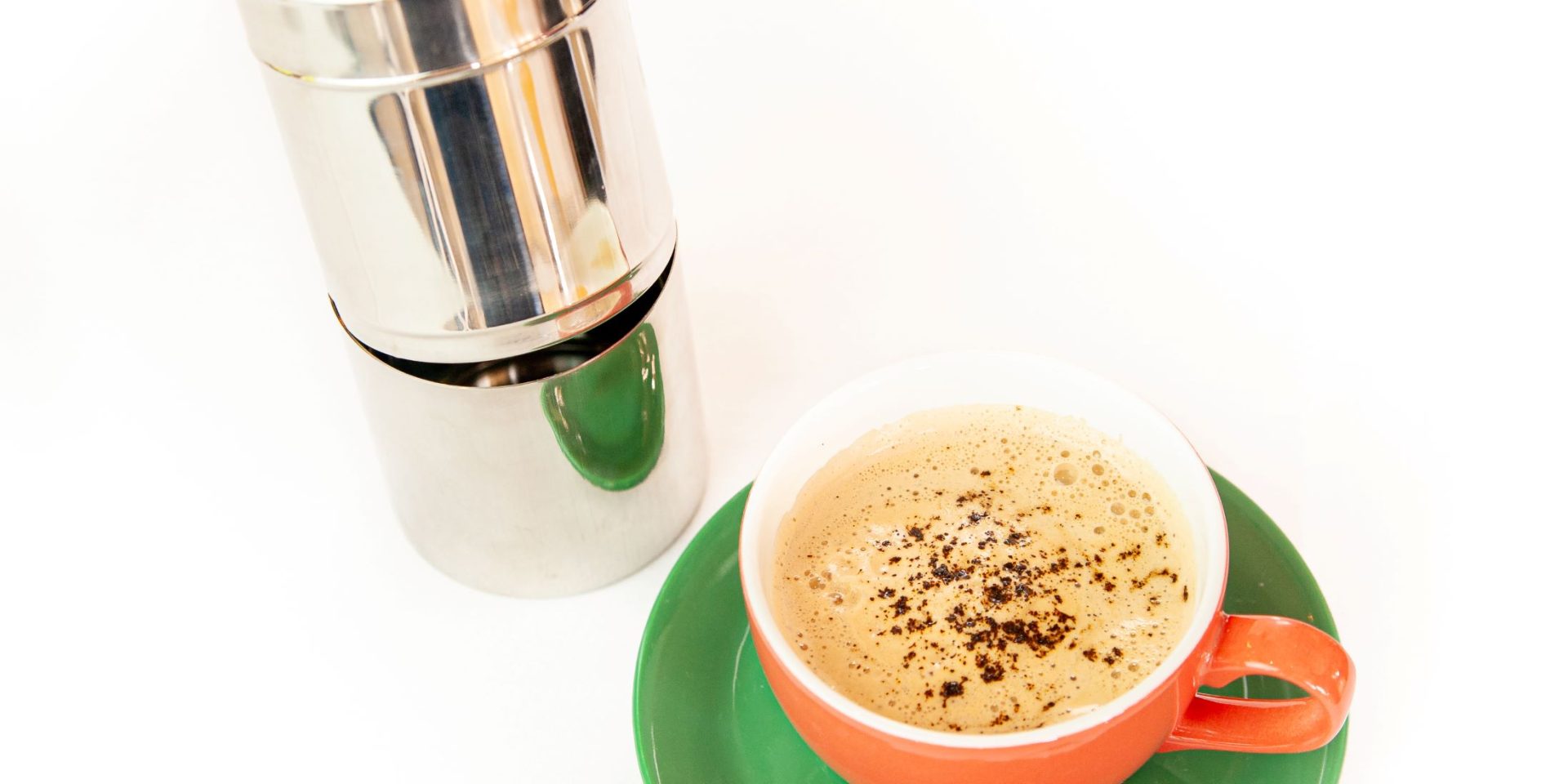
South Indian Filter coffee and Masala Tea
In Indian subcontinental culture, hot beverages are far more than morning pick-me-ups; they are social rituals, daily resets, and cultural identifiers. At the heart of this hot beverage landscape sit two iconic drinks: Masala Tea (Masala Chai), the spiced, simmered brew beloved across North and Central India, and South Indian Filter Coffee (Kappi), the rich, frothy, chicory-infused infusion treasured throughout the southern states. While both rely on milk and sugar to unify their flavors, their ingredients, brewing science, and serving rituals present a fascinating contrast in regional beverage traditions.
While tea dominates the northern plains, coffee reigns supreme in Tamil Nadu, Karnataka, Andhra Pradesh, and Kerala. Introduced to India in the 17th century by the Sufi saint Baba Budan—who smuggled seven raw coffee beans from Yemen to the Western Ghats—coffee evolved into an art form with the invention of the traditional Indian stainless steel or brass coffee filter.
The Chicory Blend & Gravity Drip
Authentic South Indian Filter Coffee relies on dark-roasted Arabica or Robusta coffee beans ground to a medium-coarse consistency and blended with chicory root (typically 10% to 30%). Chicory adds a pleasant, dark bitterness, deepens the brown color, and thickens the body of the extract.
Extraction: The ground coffee-chicory blend is packed tightly into the upper perforated chamber of a two-tiered metallic filter using a heavy plunger.
The Decoction: Boiling water is poured over the grounds, slowly dripping through the bed into the lower chamber over 10 to 15 minutes. This yields a thick, highly concentrated, intensely aromatic dark liquid known as the "first decoction."
The Assembly: A small shot of this potent decoction is combined with boiling, full-cream milk and sugar.
The Dabara Ritual & Aeration
Filter coffee is traditionally served in a Dabara (a shallow brass or stainless steel saucer bowl) and a matching cylindrical Tumbler.
Before drinking, the server performs the famous "meter coffee" pour, stretching the mixture back and forth between the tumbler and dabara from a height of up to a meter. This pouring motion serves three crucial functions:
Aeration: Creates a thick, velvety layer of foam (froth) on top.
Temperature Control: Cools the scalding liquid down to an ideal drinking temperature without diluting it with ice.
Integration: Dissolves the sugar completely and homogenizes the dense decoction with the milk.
Masala Tea: The Art of Spiced Decoction
Masala Chai traces its roots to ancient Ayurvedic herbal infusions (kadha), though the modern iteration—combining black tea leaves, milk, spices, and sugar—flourished during British colonial rule when the Indian Tea Association actively promoted tea consumption.
The Brewing Science
Unlike Western tea preparation, where leaves steep briefly in hot water before adding milk, Masala Chai uses a decoction method. Strong CTC (Crush, Tear, Curl) black tea leaves are boiled directly alongside water, milk, sugar, and coarsely crushed spices in a single saucepan. Boiling the tea leaves vigorously breaks down cellular walls, extracting deep tannins, robust color, and a brisk bitterness that cuts through the fat of whole milk.
The Spice Profile (Chai Masala)
The soul of Masala Chai rests in its blend of aromatic botanicals, which varies from home to home and season to season:
Green Cardamom (Elaichi): Imparts a sweet, floral, citrusy top note.
Fresh Ginger (Adrak): Adds a sharp, peppery bite and warming heat.
Cinnamon (Dalchini) & Cloves (Laung): Provide woody depth and subtle sweetness.
Black Peppercorns (Kali Mirch): Added in winter for a lingering throat-warming spice.
The mixture is brought to a rolling boil multiple times, allowing the milk fats to absorb the volatile oils from the spices, resulting in a creamy, mahogany-hued brew served piping hot in roadside kulhads (terracotta cups) or glass tumblers.
Grand Cholan restaurant is also an excellent venue for private events, including Christmas parties, corporate gatherings, birthday celebrations, anniversaries, and more. For additional information about our mission, menu, and attentive table-side service, please visit www.grandcholan.com.